
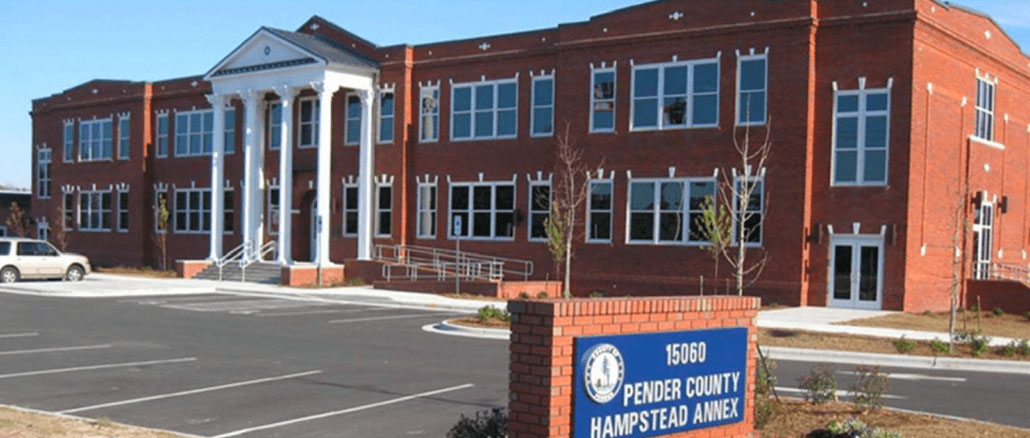
Pender County residents have had a lot to process in recent weeks: New property values arrived in the mail – and many owners saw steep jumps. County commissioners then moved to pause the use of those values, even as state officials warned that doing so may not be allowed under North Carolina law.
Add in a wave of appeals, public frustration, and changes in the county’s legal representation, and it is easy to see why this has become one of the most talked-about local issues right now.
Here’s the simple version: this is about more than just home values on paper. It is about what residents believe is fair, how local government is supposed to follow state rules, and whether the data behind those new values can be trusted. For homeowners, farmers, retirees, landlords, and business owners, the concern is straightforward – if the value assigned to a property rises sharply, people worry their tax burden could rise too.
What the county was trying to do
Property revaluations are not unusual on their own. Counties periodically reassess real estate so tax values better reflect market conditions. In Pender County, officials moved forward with a 2026 reappraisal after several years of strong growth in local property values. The county had mailed updated notices to tens of thousands of property owners, and the new assessments were meant to reflect value as of Jan. 1, 2026.
From the county’s perspective, reappraisals are part of how the tax system is supposed to work. When markets change significantly over time, local governments are expected to update values rather than leave them frozen far below current conditions. On paper, that sounds reasonable. In practice, many Pender County residents felt the numbers they received went too far, too fast.
Why residents and business owners are pushing back
The pushback is not hard to understand. Some property owners reported dramatic jumps in assessed value, including cases that drew intense attention at public meetings. When people see a valuation double, triple, or rise even more, they do not hear “market adjustment” – they hear potential strain on their household budget, their farm, their rental property, or the future affordability of land they have held for years.
That fear is especially strong for longtime residents, retirees on fixed incomes, and families with large tracts of land that may be valuable on paper but do not produce the kind of cash flow needed to absorb a major tax increase. Even if county leaders later lower the tax rate, many residents are still asking a basic question: Can we trust the values in the first place?
That has become one of the biggest pressure points in this debate. Public criticism has centered on whether the appraisal data is accurate, whether similar properties were treated consistently, and whether unusual or obvious errors may have inflated some values beyond what owners consider reasonable.
Why this is so confusing to people
Part of the confusion is that property value and property tax bill are connected, but they are not the same thing. A higher assessed value does not automatically mean the county keeps the same tax rate and simply collects far more money from everyone. In many revaluation years, local governments talk about adjusting rates to avoid a windfall.
Still, that does not erase the concern. If the underlying values are wrong, or if people do not understand how the rate would change, the result is the same: people feel blindsided. For many households, the mailed notice was the first time the issue became real.
What commissioners did next
Facing loud public backlash, Pender County commissioners voted to suspend the use of the new 2026 values, use prior-year values for budgeting, and pursue outside review of the reappraisal work. That move was welcomed by residents who felt the county needed to slow down and verify the numbers before moving ahead.
But that decision opened a second major problem: whether the county can legally hit pause after the effective date of the revaluation year. State-level officials reportedly warned that North Carolina law does not clearly allow a county to stop a revaluation after Jan. 1 in the way Pender attempted to do. That means the county is now balancing two competing pressures – public demand for relief and the need to stay within state law.
Why the attorney changes matter
To many residents, the revaluation fight is the headline. But the county’s legal and administrative turnover is part of why confidence feels shaky right now. When a government is dealing with disputed values, appeals, potential legal exposure, and questions from the public, stability matters. Changes in legal counsel during a moment like this can make residents wonder who is guiding the county, how decisions are being made, and whether the process is being handled as carefully as it should be.
That does not automatically mean something improper happened. It does mean the county is trying to navigate a high-stakes tax issue while also dealing with visible internal change – and that combination tends to make people even more uneasy.
What property owners should understand right now
- This is not just about “higher taxes.” It is also about whether the values themselves are accurate and defensible.
- The county appears to be seeking more review. That includes additional scrutiny of the revaluation data and process.
- Appeals still matter. Even with all the debate over the county’s broader next steps, property owners who believe their values are wrong should still pay close attention to appeal opportunities and deadlines.
- The issue may not be resolved quickly. State law, county budgeting, appeals, and possible legislative action all create moving parts.
What happens next
The next phase will likely come down to a few things: how outside reviews assess the revaluation work, whether county leaders stick with their current approach, whether state lawmakers step in with any relief or clarification, and how many individual appeals continue to come in from property owners across the county.
In the short term, many residents want one thing above all else – confidence that the numbers are fair before those numbers shape future tax bills. That is why this issue has hit such a nerve. It is not only about government process. It is about trust, affordability, and whether people feel protected when a major countywide decision lands at their doorstep.
Where to follow the issue
Residents looking to track official updates can review Pender County’s 2026 tax reappraisal page. For reporting on recent meetings and developments, local coverage from Port City Daily, additional Port City Daily reporting on the revaluation pause, WECT’s reporting on the legal questions around the suspension, and WWAY’s coverage of the county’s legislative push can help readers keep up with the latest turns.
Editor’s note: This article is intended to explain the issue in plain language for local readers and will be updated as the county, state officials, and property owners move through the next stages of the process.